Feel Free to contact me for MORE Tips on Workouts and Nutrition

I am a Fitness Trainer: My Practice is more than just a Job; it is my passion. My clients are my TOP Priority and their Successes are my life's Work
- I am a Professional -

Email or Call me for a Session: m.deboever@hotmail.com
+1 438 884 8202

Monday, August 9, 2010

WOD August 9


Warm-Up and stretch

Then do ...

10 Pull-ups
10 Squats
10 Push-ups
10 KBS (24/20kg)

10 Rounds for time!

Saturday, August 7, 2010

WOD August 8


Warm-up and Stretch for 15 minutes

Then do ...

"10m Sprint on the minute and more"

First minute: 10m
Second minute: 20m
Third minute: 30m
Etc ...
Add 10m every minute. You rest is the time left to the next minute.

How many minutes and meters can you run?

-CrossFit Endurance Signature-
The certification is amazing (Aug 7th and 8th, Albany, NY)

Friday, August 6, 2010

WOD august 7


Warm-up and Stretch for 15 minutes

Then do ...

A time trial on your bike: 60 minutes ALL OUT!

Stretch after.

WOD august 6


Warm-Up and Stretch,

Then do ...

10x 100m Sprint
Rest the time of your previous 100m sprint

Example: 100m in 15 seconds, rest 15 seconds. Next 100m in 16 sec., rest 16 sec. ...

Thursday, August 5, 2010

WOD August 5


Warm-Up and Stretch for 15 minutes

Then do ...

3 rounds for time of:

100m Sprint
25 Squats

Rest 5 minutes then do ...

5 rounds for time of:

10 Overgead Squats (65% of BW)
15 Ring Dips
20 Push-Ups

Wednesday, August 4, 2010

WOD August 4


Warm-Up and Stretch for 15 minutes

Then do ...

2 Rounds for time of:

100 Skips (Jump Rope)
20 KBS
100 Skips
20 Pull-Ups
100 Skips
20 Push-Ups
100 Skips
20 Plate Lift-Ups
100 Skips
20 Tire Flits* (or rock flips or anything you can flip)

*Adaption for "Flips" -> Run 100 meter with a weight, Medicine ball 9kg/7kg

Proteins MUST BE in each meals


Until recently, protein got little attention. Like a quiet child in a classroom of rowdies, it was often overshadowed by fat, carbohydrates, and vitamins. That's changing. Lately there's been an explosion of interest in protein, largely triggered by high-protein diets for weight loss.

Surprisingly little is known about protein and health. The Institute of Medicine recommends that adults get a minimum of 0.8 grams of protein for every kilogram of body weight per day to keep from slowly breaking down their own tissues. That's just about 8 grams of protein for every 20 pounds of body weight. Beyond that, there's relatively little solid information on the ideal amount of protein in the diet, a healthy target for calories contributed by protein, or the best kinds of protein.

Around the world, millions of people don't get enough protein. Protein malnutrition leads to the condition known as kwashiorkor. Lack of protein can cause growth failure, loss of muscle mass, decreased immunity, weakening of the heart and respiratory system, and death.

In the United States and other developed countries, getting the minimum daily requirement of protein is easy. Cereal with milk for breakfast, a peanut butter and jelly sandwich for lunch, and a piece of fish with a side of beans for dinner adds up to about 70 grams of protein, plenty for the average adult.

How can you do?

# Get a good mix of proteins. Almost any reasonable diet will give you enough protein each day. Eating a variety of foods will ensure that you get all of the amino acids you need.

# Pay attention to the protein package. You rarely eat straight protein. Some protein comes packaged with healthful fiber and micronutrients, such as beans, nuts, and whole grains. Some protein comes packaged with lots of unhealthy fat, like when you eat marbled beef or drink whole milk. Fish and poultry are the best choices for meat eaters; if you are partial to red meat, such as beef, pork or lamb, steer yourself toward the leanest cuts, and make it only an occasional part of your diet. If you like dairy products, skim or low-fat versions are healthier choices.

# Balance carbohydrates and protein. Cutting back on highly processed carbohydrates and increasing protein intake improves levels of blood triglycerides and HDL, and so may reduce your chances of having a heart attack, stroke, or other form of cardiovascular disease. It may also make you feel full longer, and stave off hunger pangs.

# Eat soy in moderation. Soybeans, tofu, and other soy-based foods are an excellent alternative to red meat. But don't go overboard. Two to four servings a week is a good target. And stay away from supplements that contain concentrated soy protein or soy extracts, such as isoflavones. Larger amounts of soy may soothe hot flashes and other menopause-associated problems, but the evidence for this is weak.

Tuesday, August 3, 2010

Don't misunderstand Carbs!


We've come a long way from the days when one of the knee-jerk answers to the question "What should I eat?" was "You can't go wrong with carbohydrates." We now know that carbohydrates, the staple of most diets, aren't all good or all bad. Some kinds promote health while others, when eaten often and in large quantities, actually increase the risk for diabetes and coronary heart disease.

The wild popularity of the Atkins, South Beach, and other low-carbohydrate diets led many Americans AND Canadians to believe that carbohydrates are "bad," the source of unflattering flab, and a cause of the obesity epidemic. That's a dangerous oversimplification, on a par with "fat is bad." Easily digested carbohydrates from white bread, white rice, pastries, sugared sodas, and other highly processed foods may, indeed, contribute to weight gain and interfere with weight loss. Whole grains, beans, fruits, vegetables, and other sources of intact carbohydrates do just the opposite—they promote good health.

Don't be misled by the blanket pronouncements on the dangers of carbohydrates. They are an important part of a healthy diet. Carbohydrates provide the body with the fuel it needs for physical activity and for proper organ function. The best sources of carbohydrates—fruits, vegetables, and whole grains—deliver essential vitamins and minerals, fiber, and a host of important phytonutrients.

Adding Good Carbohydrates


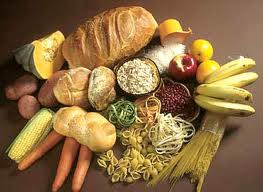
For optimal health, get your grains intact from foods such as whole wheat bread, brown rice, whole grain pasta, and other possibly unfamiliar grains like quinoa, whole oats, and bulgur. Not only will these foods help protect you against a range of chronic diseases, they can also please your palate and your eyes.

Until recently, you could only get whole-grain products in organic or non-traditional stores. Today they are popping up in more and more mainstream grocery stores. Here are some suggestions for adding more good carbohydrates to your diet:

# Start the day with whole grains. If you're partial to hot cereals, try old-fashioned or steel-cut oats. If you're a cold cereal person, look for one that lists whole wheat, whole oats, or other whole grain first on the ingredient list.

# Use whole grain breads for lunch or snacks. Check the label to make sure that whole wheat or another whole grain is the first ingredient listed.
# Bag the potatoes. Instead, try brown rice or even "newer" grains like bulgur, wheat berries, millet, or hulled barley with your dinner.

# Pick up some whole wheat pasta. If the whole grain products are too chewy for you, look for those that are made with half whole-wheat flour and half white flour.

#Bring on the beans. Beans are an excellent source of slowly digested carbohydrates as well as a great source of protein.

Good Carbs, not No Carbs?


Good Carbs, not No Carbs?

Some popular diets treat carbohydrates as if they are evil, the root of all body fat and excess weight. That was certainly true for the original Atkins diet, which popularized the no-carb approach to dieting. And there is some evidence that a low-carbohydrate diet may help people lose weight more quickly than a low-fat diet, although so far, that evidence is short term.

No one knows the long-term effects of eating little or no carbohydrates. Equally worrisome is the inclusion of unhealthy fats in some of these diets.

If you want to go the lower carb route, try to include some fruits, vegetables, and whole grain carbohydrates every day. They contain a host of vitamins, minerals, and phytonutrients that are essential for good health and that you can't get out of a supplement bottle. And do your heart a favor by choosing healthy fats and proteins to go along with those healthy carbohydrates: A 20-year prospective study of 82,802 women looked at the relationship between lower carbohydrate diets and heart disease; a subsequent study looked at lower carbohydrate diets and risk of diabetes. Women who ate low-carbohydrate diets that were high in vegetable sources of fat or protein had a 30 percent lower risk of heart disease and a modestly lower risk of type 2 diabetes, compared to women who ate high-carbohydrate, low-fat diets. But women who ate low-carbohydrate diets that were high in animal fats or proteins did not have a reduced risk of heart disease or diabetes.

WOD August 3


Warm-Up and Stretch for 15 minutes

Then do ...

-50 Double Unders
-10 Heavy Deadlifts
-50 Double Unders
-20 KBS
-50 Double Unders
-30 K2E
-50 Double Unders
-40 Push-Ups
-50 Double Unders
-50 m Sprint

x 2 Rounds FOR TIME!

Monday, August 2, 2010

Eat a variety of Fruits and Vegetables everyday


Vegetables and fruits are clearly an important part of a good diet.
Almost everyone can benefit from eating more of them, but variety is as important as quantity.
No single fruit or vegetable provides all of the nutrients you need to be healthy.

The key lies in the variety of different vegetables and fruits that you eat.

Try these tips to fit more fruits and vegetables into your day:


# Keep fruit out where you can see it. That way you'll be more likely to eat it. Keep it out on the counter or in the front of the fridge.

# Get some every meal, every day. Try filling half your plate with vegetables or fruit at each meal. Serving up salads, stir fry, or other fruit and vegetable-rich fare makes it easier to reach this goal. Bonus points if you can get some fruits and vegetables at snack time, too.

# Explore the produce aisle and choose something new. Variety is the key to a healthy diet. Get out of a rut and try some new fruits and vegetables—include dark green leafy vegetables; yellow, orange, and red fruits and vegetables; cooked tomatoes; and citrus fruits.

# Bag the potatoes. Choose other vegetables that are packed with more nutrients and more slowly digested carbs.

# Make it a meal. Try some new recipes where vegetables take center stage.

WOD August 2


Warm-Up and Stretch for 15 minutes

Then do ...

"BIG Angie"

AMRAP* in 20 minutes of:

15 Pull-Ups
30 Push-Ups
45 Squats

*AMRAP = "As Many Rounds As Possible"

Saturday, July 31, 2010

WOD August 1st


Warm-Up and Stretch for 15 minutes

Then do ...

"7/7/7"

7 KBS (24/20kg)
7 Push Ups
7 minutes of work out

Then go for an intense 1 hour bike ride

Stretch!

BREAKFAST: Why so important?


Why is Breakfast so important?
After a good night's rest, your blood sugar, or glucose levels, are very low since you've been asleep without a meal for 6-10 hours. Your body is basically running on empty in the morning.

Eating a big meal at breakfast time will 'break the fast' and replenish those glucose levels. Glucose is your body's source of energy.

Energy for the Brain

Your brain feeds on glucose, but does not store glucose. You'll be more sharp and have better concentration when you've had a big breakfast. If you've got important work to do in the morning, be sure to eat big so your brain isn't running on fumes.

Energy for your Muscles

Glucose also feeds your muscles, so you'll feel less tired and have more energy overall, with a big breakfast.

Having donuts and sugary products will give you a quick spike in glucose, followed by a large drop, and then leave you hungry again to gain more weight. You don't want that.

This is why it's important to eat a nutritious and healthy breakfast that is loaded with 100% whole grains, since they will digest evenly and keep you energetic throughout the day.

Lose Weight with a Big Breakfast

Studies have shown that people who skip breakfast are generally heavier than people who eat a nutritious breakfast.

If you're having trouble eating in the morning, start with something small and work your way up. You can try a piece of toast and peanut butter, and gradually work up to become a Master Chef with your breakfast.

With a hearty breakfast, you will not be as hungry during lunch time, and you can taper down your meals throughout the day so when the evening rolls around, you're barely eating anything - and ready for bed.

It all works out nicely!

The Do's and the Don'ts for Sports nutrition


10. Drink half of your body weight (in oz) of water each day (i.e. you weigh 150 lbs, drink 75 oz of water each day—incremental to the liquid consumed during a workout). Proper hydration is like proper oil levels in your car, fueling and muscle repair demand appropriate hydration levels.

9. Eat every 3 hours—regardless if you feel hungry or not. To keep your metabolism turned ‘on’, you must introduce fuel every 3-4 hrs. Such frequency tells your body that more fuel is coming and there is no need to store (create fat stores) calories.

8. Eat to train, don’t train to eat. The mentality of ‘eating to train’ ensures that you are thinking about how to fuel a training session—how much fuel do I need for a successful session?. Training to eat says, “I’m going to eat this massive bowl of ice cream, then train for two hours to burn it off”.

7. Eat 3-4 blocks of each nutrient source at every meal. It is vital to fuel your body with muscle repair elements (protein), muscle fuel (carbohydrates) and fat (long term energy store, foundation for virtually every cell in your body). If you do not ‘fill’ all 3 of these buckets, you will shortchange your body’s ability to fuel and repair itself.

6. Have a glass of chocolate milk after every workout! Yes. Chocolate milk. After a workout, your body is craving fuel (carbohydrate) and muscle repair elements (protein). Chocolate milk has the perfect 4:1 carb to protein blend to make sure your body receives the fuel and restorative proteins used for successful recovery.

5. Pig out for one meal every 5 days. Once your body becomes acclimated to fueling with a quality diet, it can become ‘lazy’ in how it processes calories. A high calorie meal (pizza, cheeseburger and fries, fried chicken, etc.) The introduction of a high calorie, high fat meal can shock your body into high gear as it is surprised with a new style of nutrition.

4. Eat more to lose weight. Not more calories, more frequently. When you restrict your calories, your body immediately thinks that food intake is threatened and stores all available fuel into fat. When you increase your frequency, (5-7 meals a day) your body continues to burn calories as the meal frequency is telling your body that fuel plentiful and can continue to be burned.

3. Eat more to work out more. As you tax your body with longer or harder workouts, it is vital to up your caloric intake—especially with complex carbohydrates (potatoes, oatmeal, etc). Your body needs this fuel to continue to produce the efforts you are aiming for. Even if you are trying to lose weight, you should only aim for a 300-500 calorie deficit per day.

2. Don’t punish yourself. Miss a meal? Eat too much at the Birthday Day party? Don’t worry about it. Just get right back on track and move on. It takes almost 3500 incremental calories to add a pound of fat, so one would have to work pretty hard to get significantly off track.

1. Have fun! Remember our cheat rule? Got a wedding reception coming up or a night out on the town? Enjoy it! Make sure you plan ahead to enjoy the simple things in life without compromising your nutrition lifestyle. By planning for such events, we can be motivated to reward ourselves with such meals that do not compromise our overall goals.